
Understanding the psychological effects of gambling What Pin Up reveals about risk and reward
The Psychological Allure of Gambling
Gambling has always held a significant psychological allure for individuals, often rooted in the thrill of potential financial gain. The unpredictability of games and the chance to win big can provoke a rush of adrenaline, leading to heightened emotions and excitement. This immediate gratification can create a cycle of behavior where players are constantly seeking that euphoric feeling, often forgetting the risks involved. As players engage in gambling, they may become desensitized to losses, focusing more on the excitement of winning rather than the reality of losing. Every player enjoys platforms like https://p1n-up.ca/, which offer various gaming options.
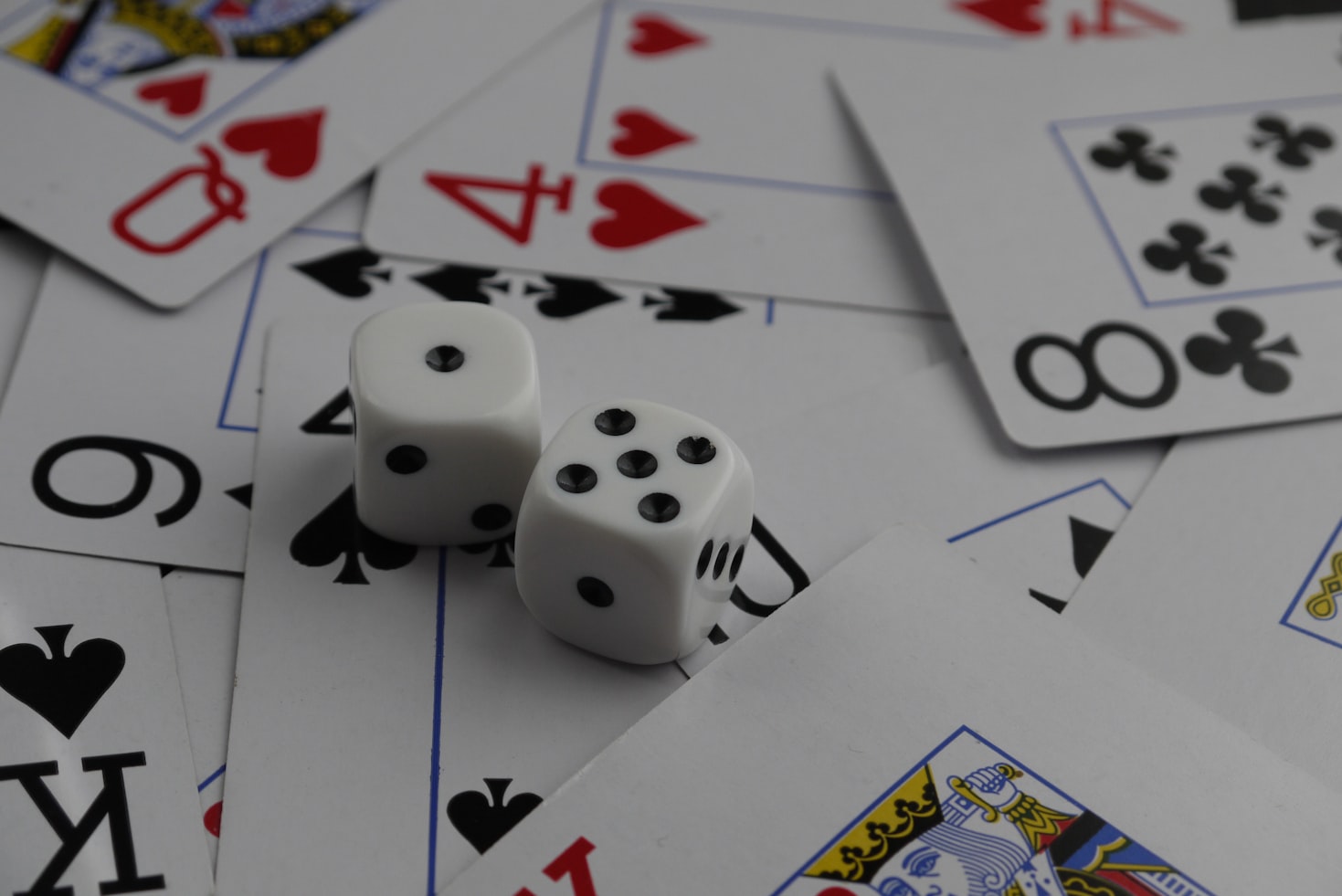
The brain’s reward system plays a crucial role in this dynamic. When a player wins, the brain releases dopamine, a neurotransmitter associated with pleasure and reward. This chemical response reinforces the desire to gamble again, creating a feedback loop that can be hard to break. Even small wins can trigger this response, leading players to chase the next big win, often at the expense of their finances and well-being. The psychological effects are profound, with some individuals finding themselves entrapped in a cycle of compulsive gambling.
Understanding the psychological allure requires a closer look at the motivations behind gambling. Some players may gamble to escape stress or emotional pain, using the activity as a distraction from life’s challenges. Others might view gambling as a way to enhance their social status or validate their self-worth, as seen with Pin Up Casino. These motivations can cloud judgment, making it difficult to recognize when gambling becomes a harmful behavior. Thus, the interplay between psychology and gambling is complex, revealing the deeper reasons people engage in this risky pastime.
The Role of Risk and Reward
The concept of risk and reward is fundamental to gambling, influencing how individuals perceive their chances of winning. In online platforms like Pin Up Canada, players are presented with various games that offer different levels of risk. High-risk games might offer larger payouts, but they can also lead to significant losses. This balance between risk and reward can create a false sense of security; players may believe they can manage their risks through strategic betting. However, this often leads to overconfidence and increased gambling behavior.
In the context of Pin Up, the variety of games and betting options adds to the allure of potential rewards. Players may be enticed by promotions and bonuses, which can further skew their perception of risk. The idea that one can win big with a small investment can be particularly seductive, leading individuals to gamble more than they initially planned. This dynamic is heightened in an online environment, where the immediacy of play can lead to impulsive decisions without reflecting on the potential consequences.
Ultimately, the relationship between risk and reward in gambling can have significant implications for players’ mental health. The excitement associated with potential winnings can lead to increased stress and anxiety, especially when players experience losses. As they continue to chase after their perceived rewards, the psychological toll can accumulate, leading to destructive patterns. Understanding this relationship is crucial for both players and those looking to support them in managing their gambling behavior effectively.
The Social Impact of Gambling
The social ramifications of gambling extend beyond the individual, affecting families, communities, and societies at large. As gambling becomes more accessible through online platforms like Pin Up, it can lead to increased participation and, consequently, higher rates of problem gambling. This rise poses risks not only to individuals but also to the fabric of society, as families may face financial strain, emotional distress, and relationship breakdowns due to gambling-related issues.
Moreover, the perception of gambling as a form of entertainment can obscure its potential risks. For many, especially younger individuals, engaging in gambling might appear harmless or even exciting. This normalization of gambling can lead to a culture where excessive gambling is overlooked, potentially resulting in societal acceptance of riskier behaviors. Awareness campaigns and educational programs are essential in shifting this narrative and promoting responsible gambling practices.
Community resources and support systems are vital in addressing the social impact of gambling. Local organizations and mental health services can provide assistance to those struggling with gambling addiction, helping to mitigate its effects on families and communities. Additionally, fostering open discussions about gambling and its risks can promote awareness and encourage individuals to seek help before their gambling behavior escalates into a more serious issue.
Recognizing Problem Gambling
Identifying problem gambling is crucial in mitigating its effects on both individuals and their loved ones. Signs of problematic behavior often include an inability to stop gambling despite negative consequences, lying about gambling activities, and neglecting responsibilities. Awareness of these red flags is essential for both players and those around them. Understanding when gambling crosses the line into addiction can enable timely intervention and support.
Pin Up, like many online platforms, often provides resources for responsible gambling, emphasizing the importance of self-awareness and recognizing problematic behavior. Players are encouraged to set limits on their betting and take breaks to assess their gambling habits. Tools such as deposit limits, cool-off periods, and self-exclusion can empower users to make informed decisions about their gambling activities.
Moreover, fostering a supportive environment where discussions about gambling are normalized can help individuals feel more comfortable seeking help. Engaging with support groups or mental health professionals can be crucial steps in overcoming gambling addiction. By recognizing problem gambling early and encouraging open conversations, it becomes possible to break the cycle of compulsive behavior and promote healthier attitudes toward gambling.
Pin Up and Responsible Gaming
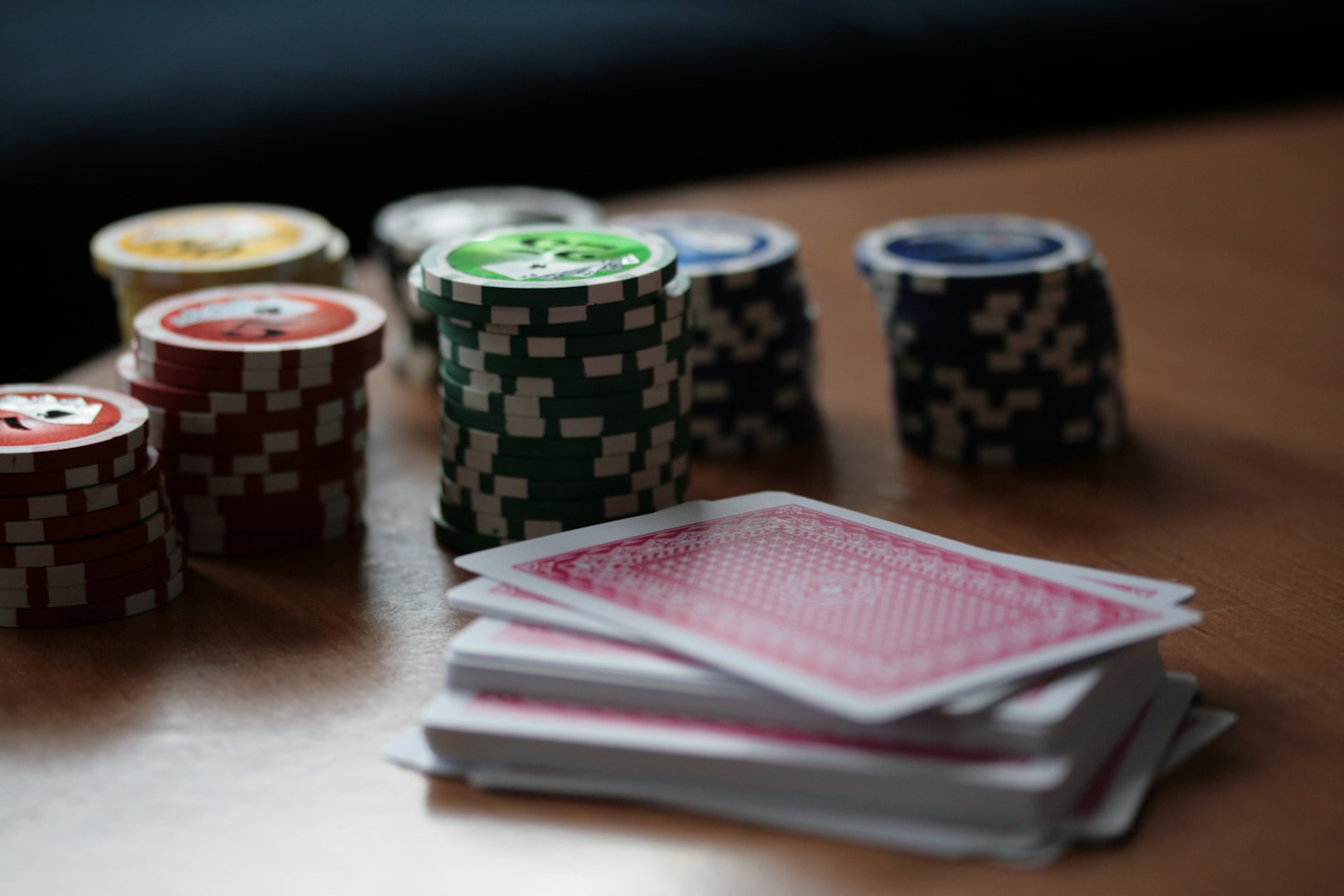
Pin Up Casino exemplifies a commitment to responsible gaming, offering various tools and resources to help players manage their gambling behaviors. The platform provides extensive information on recognizing problem gambling, emphasizing the importance of self-regulation and responsible practices. Users are encouraged to set personal limits and utilize available resources to ensure their gaming remains a source of entertainment rather than stress.
The platform’s user-friendly interface and diverse gaming options make it easy for players to enjoy their favorite games responsibly. With a focus on creating a secure environment, Pin Up Canada ensures that players have access to necessary tools for gambling responsibly. This includes educational materials, support links, and access to self-assessment tests, fostering a culture of awareness and accountability within the online gambling community.
In conclusion, understanding the psychological effects of gambling and the intricate balance of risk and reward is essential for a healthy gambling experience. Pin Up not only provides a thrilling environment for players but also emphasizes the importance of responsible gaming practices. By promoting awareness and encouraging players to engage thoughtfully, platforms like Pin Up can help mitigate the negative psychological and social impacts of gambling, creating a more positive gaming experience for all.